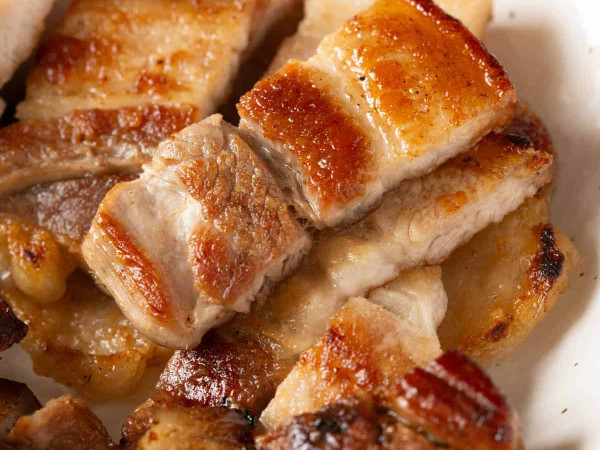
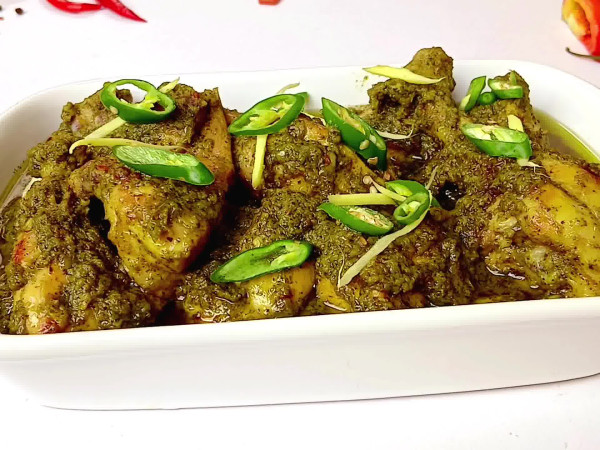
A flavorful dish combines tender pork belly with a fragrant blend of Korean herbs for a mouthwatering experience. Perfect for sharing with friends and family, it’s easy to grill and packed with delicious, savory goodness.
Prep Time25 min
Cook Time17 min
Total Time42 min
Difficulty
Medium
Smart Cooking Tips
Marinate the pork belly for at least 30 minutes to let the flavors fully develop.
Use medium-high heat on the grill to get a nice char without drying out the meat.
Turn the pork frequently to cook it evenly and prevent burning.
Ingredients
0/16
Why This Dish Is A Crowd Favorite
This dish combines the rich, savory flavor of pork belly with fresh herbs and bold Korean spices. It’s perfect for those who love a balance of juicy meat and vibrant, aromatic ingredients. The grilling adds a smoky touch that makes every bite irresistible.
Step 1
Stir thyme, dill, rosemary, and garlic powder in a small bowl. Rub this herb blend all over the pork belly strips and let them sit at room temperature for about 15 minutes to soak up the flavors.
Step 2
Heat a large skillet over medium-high heat and cook the pork belly strips until they’re nicely browned and crispy, which should take around 7 minutes on each side. Once done, transfer them to a paper towel-lined plate to drain, but keep some of the rendered fat in the pan. Cut the pork into bite-sized pieces.
Step 3
Toss the kimchi, garlic cloves, and scallions into the skillet with the reserved pork fat. Sauté everything over medium-high heat until it starts to brown lightly, about 3 minutes, then drain it on paper towels to remove excess liquid.
Step 4
While that’s happening, mix together doenjang, gochujang, sesame oil, minced garlic, sesame seeds, rice wine, and brown sugar in a bowl to make a flavorful ssamjang sauce.
Step 5
To serve, arrange the pork belly pieces with the sautéed kimchi mixture on the side and a small bowl of the ssamjang sauce for dipping. Enjoy!
125
people cooked this recipe
ByDavid Brown
David shares approachable recipes, helpful cooking tips, and simple meal ideas.
Serving Combinations
Serve with steamed rice and a side of kimchi or pickled vegetables to complement the rich pork. Fresh lettuce leaves or perilla leaves work great for wrapping the meat, adding a refreshing crunch and herbaceous note.
Leftover Storage Tips
Store leftover grilled pork belly in an airtight container in the refrigerator for up to 3 days. Reheat gently in a pan or oven to keep the meat tender and juicy. Avoid microwaving directly to prevent drying out.
Frequently Asked Questions
Can I use fresh herbs instead of dried for the seasoning?
Yes, use about three times the amount of fresh herbs since they are less concentrated than dried.
How do I know when the pork belly is cooked properly?
The pork belly should be browned and crispy on the outside and cooked through, about 7 minutes per side over medium-high heat.
What can I substitute for doenjang and gochujang if I don’t have them?
You can use miso paste for doenjang and a mix of chili paste with a bit of soy sauce for gochujang, though the flavor will differ slightly.
Is it necessary to keep the pork fat in the pan when sautéing the kimchi?
Yes, the rendered pork fat adds flavor and helps brown the kimchi, garlic, and scallions.
Can I prepare the ssamjang sauce in advance?
Absolutely, the sauce can be made ahead and stored in the refrigerator for a few days.
What should I serve this dish with?
It pairs well with steamed rice, lettuce leaves for wrapping, or a simple salad.
How spicy is the ssamjang sauce?
The sauce has a mild to moderate heat, which you can adjust by adding more or less gochujang.
Can I grill the pork belly instead of cooking it in a skillet?
Yes, grilling works well—just cook over medium heat until crispy and fully cooked.
This comforting stew combines tender chicken and nutritious quinoa for a satisfying meal that’s perfect any time of year. Packed with wholesome ingr...



 Breakfast
 Lunch
Lunch
 Dinner
 Snacks
 Meals
Meals
 Drinks
 Vegan
Vegan