

 Breakfast
 Lunch
Lunch
 Dinner
 Snacks
 Meals
Meals
 Drinks
 Vegan
Vegan


Cooking Tips You Should Know
- Use fresh eggs for the best shape and texture.
- Add a splash of vinegar to the water to help the egg whites set faster.
- Keep the water at a gentle simmer, not a rolling boil, to prevent the eggs from breaking apart.
Ingredients 0/4
Why This Recipe Is So Popular
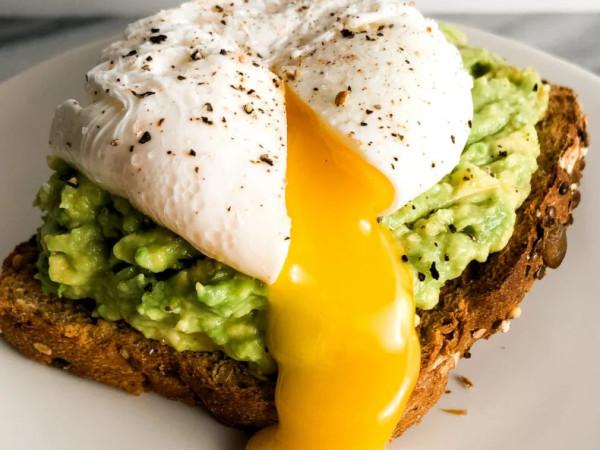
Poached eggs are a healthy and elegant way to enjoy eggs without added fat. They have a delicate texture and a rich, runny yolk that pairs well with many dishes. This method makes it easy to achieve consistent results every time.
Directions
Fil a large saucepan with about 2 to 3 inches of water and bring it to a gentle simmer. Turn the heat down to medium-low, add the vinegar, and keep the water just barely simmering. Crack each egg into a small cup or bowl first, then carefully slide it into the water close to the surface to keep the yolk intact. Do this with all the eggs you want to poach. Once they’re all in, turn off the heat, cover the pan, and let the eggs sit for about 4 minutes until the whites are set but the yolks are still soft. Use a slotted spoon to lift them out gently. Finish by seasoning with a little salt, pepper, and some fresh dill if you like.

270
people cooked this recipe

Simple Serving Suggestions
Poached eggs are perfect on toast, salads, or grain bowls. Try them with avocado, smoked salmon, or sautéed spinach for a tasty and nutritious meal. They also make a great topping for classic dishes like Eggs Benedict.
Leftover Care Tips
Poached eggs are best eaten fresh but can be stored in cold water in the refrigerator for up to 24 hours. Reheat gently by dipping them in hot water for a minute before serving. Avoid freezing as it changes the texture.
Frequently Asked Questions
Can I use any type of vinegar for poaching eggs?
White vinegar is preferred because it’s mild and won’t affect the egg flavor, but apple cider vinegar can also work.
Why do I add vinegar to the water when poaching eggs?
Vinegar helps the egg whites coagulate faster, keeping them from spreading out in the water.
How do I know when the eggs are done poaching?
The whites should be set and firm, while the yolks remain soft and slightly runny after about 4 minutes.
Can I poach more than four eggs at once?
Yes, but make sure your pan is large enough and add eggs gently without overcrowding to keep them intact.
What should I do if my egg whites are spreading too much?
Use fresh eggs, add vinegar to the water, and crack the eggs close to the water surface to help keep whites together.
Is it necessary to cover the pan while the eggs are poaching?
Yes, covering helps maintain a gentle heat and cooks the eggs evenly without boiling.
Can I prepare poached eggs in advance?
Poached eggs are best served immediately, but you can cool them quickly in ice water and reheat gently if needed.
How do I remove the eggs from the water without breaking them?
Use a slotted spoon to lift them out carefully, supporting the egg from underneath.